
Pregnancy Checklist: 7 things to do before giving birth in South Manchester
First of all, congratulations! Whether you're expecting your first baby or adding another little person to your family, pregnancy can come with a LOT to think about.
Between getting ready for your baby's arrival, making decisions about your birth and trying to work out what you'll actually need, it's easy to feel like there's a never ending to do list.
But preparing for birth isn't just about buying the pram, washing tiny sleepsuits and packing your hospital bag.
It's also about understanding your options, finding the right support and building a community around you before your baby arrives.
If you're currently pregnant in South Manchester, here are seven things we'd recommend thinking about before giving birth.
1. Get familiar with where you might give birth
When you're pregnant, it's worth taking some time to explore your local maternity options.
Depending on your circumstances and preferences, you may be considering hospital birth at St Mary's, Wythenshaw, Stepping Hill, midwife-led care at Wythenshaw birth centre or homebirth.
Find out which maternity services you can access, ask whether tours or antenatal visits are available, and familiarise yourself with practical details such as parking, entrances and where to go when you arrive in labour. Knowing where you're heading can help things feel a little less daunting when the big day comes.
Your to do: Ask your midwife about your local maternity services and how to explore the facilities available to you.
2. Understand ALL your birth options
Birth isn't a one size fits all experience, and understanding your options can help you feel more confident about the decisions ahead. It's also worth discussing what might happen if your circumstances change during pregnancy or labour. Ask questions about the benefits, risks and alternatives. Find out what support is available and how your preferences can be communicated to your care team.
We help you do this in our Birth prep sessions where we guide you on how to write your birth plan. But remember that birth doesn't always follow a script. The aim isn't to plan every moment; it's to feel informed, supported and involved in decisions about your care. That's why we refer to it as birth preferences.
Your to do: Write down any questions you have about labour, pain relief, interventions and your birth setting, and take them to your next midwife appointment.
3. Start thinking about childcare EARLY
This one might feel a little premature when you're still waiting to meet your baby, but if you're planning to use nursery childcare, it's worth researching your options early. Look into nurseries in the area, ask about waiting lists, find out how their registration process works and check whether their availability fits with your likely return to work plans.
You might also want to consider the practicalities: opening hours, location, fees and how you'll manage drop-offs and pick-ups.
You don't need to have every decision finalised before your baby arrives. Simply understanding what's available and having your name on some waiting lists can take the pressure off.
Your to do: Make a shortlist of local childcare options and contact your favourites to ask about availability and registration.
4. Find your local pregnancy and postpartum support
We spend so much time preparing for birth that it's easy to forget about yourself during pregnancy and the weeks and months that come afterwards. But this support deserves a place on your pregnancy checklist, too.
Physical comfort during pregnancy and recovery after birth are also important considerations. For example, Sunshine Holistic Therapy, based in Levenshulme, South Manchester, specialises in women's health soft tissue therapy, providing targeted treatment for pregnancy-related muscular discomfort, pelvic and abdominal concerns, C-section scar recovery and diastasis recti rehabilitation. Services include pregnancy massage, pregnancy reflexology and specialist postnatal treatment, tailored to each woman's individual needs.
You could also look into:
- Breastfeeding and infant feeding support
- Baby groups and classes where you can get out of the house and meet other families
- Local parent communities like Parent Club where you can share experiences and ask questions
Your to do: Thankfully, we've started this task for you by creating a local directory of pregnancy, postpartum and parenting support - click here to view.
5. Listen to genuinely useful pregnancy and birth podcasts
Sometimes the best preparation is simply listening, learning and hearing other people's experiences.Pregnancy and birth podcasts can be a great way to explore topics you might not have thought to ask about, from preparing for labour to feeding, recovery and adjusting to life with a newborn.
The key is to choose your sources carefully.
Look for evidence informed information from qualified professionals and reputable organisations. Personal birth stories can be interesting and reassuring, but remember that one person's experience won't necessarily reflect what will happen to you.
If a podcast leaves you feeling frightened, overwhelmed or convinced that there's only one 'right' way to give birth, it's absolutely fine to switch it off.
You deserve information that helps you feel informed, not more anxious.
Our recommendations:
- The Midwives Cauldron
- The Great Birth Rebellion
- The birth-ed podcast
Your to do: Choose one or two episodes from our recommendations on topics you're interested in, ready for a walk, a commute or a quiet moment at home.
6. Join your local pregnancy community
Pregnancy can sometimes feel surprisingly lonely, even when you're surrounded by people.
You might have questions you don't feel ready to ask friends or family. You might want to talk to someone who's at the same stage as you. Or you might simply want to meet other parents to be who understand what you're going through.
That's where local pregnancy communities can be so valuable.
Meeting other expectant parents before your baby arrives can give you the opportunity to share experiences, ask questions and start building friendships that continue into parenthood.
Your to do: Book onto our next FREE pregnancy social.
7. Invest in good antenatal education
Antenatal education can be about so much more than learning what happens during labour.
Good antenatal education can help you understand your birth options, explore ways to manage labour, communicate with your care team and prepare for the realities of recovery and life with a newborn.
It can also give you and your birth partner time to discuss your hopes, concerns and expectations before you're in the middle of a big life change.
When choosing a course, consider whether it covers topics such as:
- The physiology of birth
- Birth rights
- Caesarean birth
- Induction
- The birth environment
- Feeding
- Infant care
- Support for the early postnatal period
- Local knowledge and support
Look for a course that makes space for questions, recognises that every birth is different and helps you feel empowered to make informed decisions.
You don't need to know everything before your baby arrives. You just deserve the chance to prepare, learn and feel supported.
Your to do: Research antenatal classes in South Manchester and choose one that reflects the kind of preparation and support you're looking for.
To book onto one of our antenatal classes click here.
Preparing for birth isn't just about the birth itself. There's no perfect checklist for pregnancy, and you don't need to tick every box to be a good parent.
But taking a little time to understand your options, plan for the practicalities, find postpartum support and connect with other expectant parents can help you feel more prepared for what comes next.
And remember: you don't have to do it all alone.
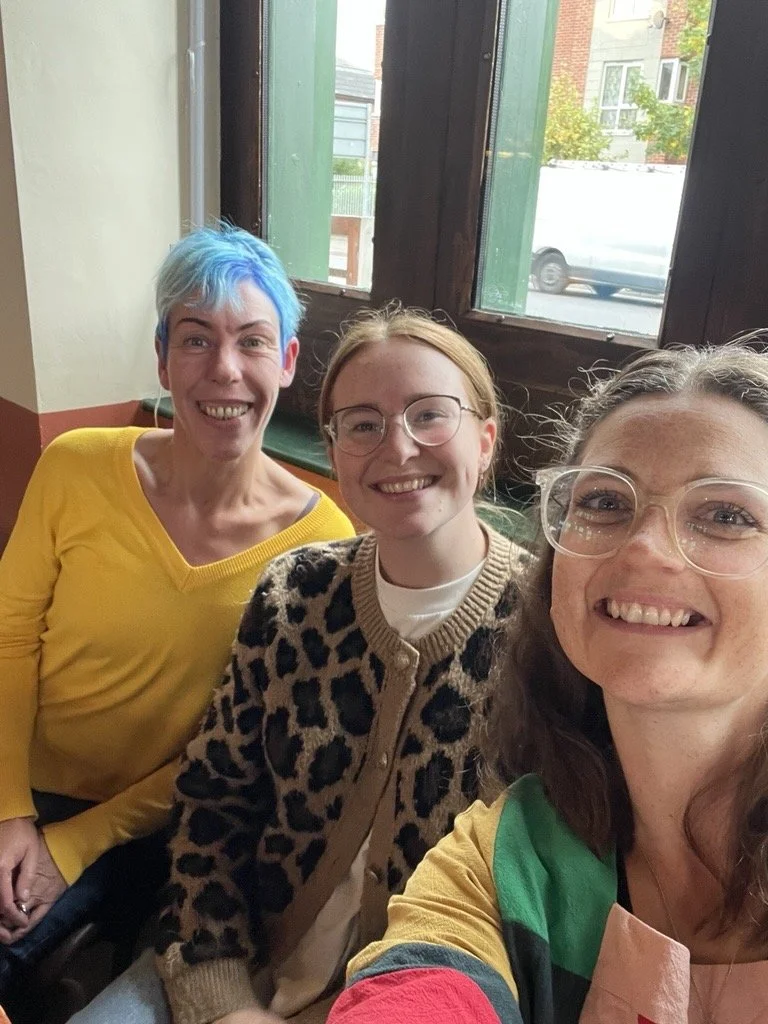
Catching up with the lovely Dawn from Sunshine Holistic Therapy.